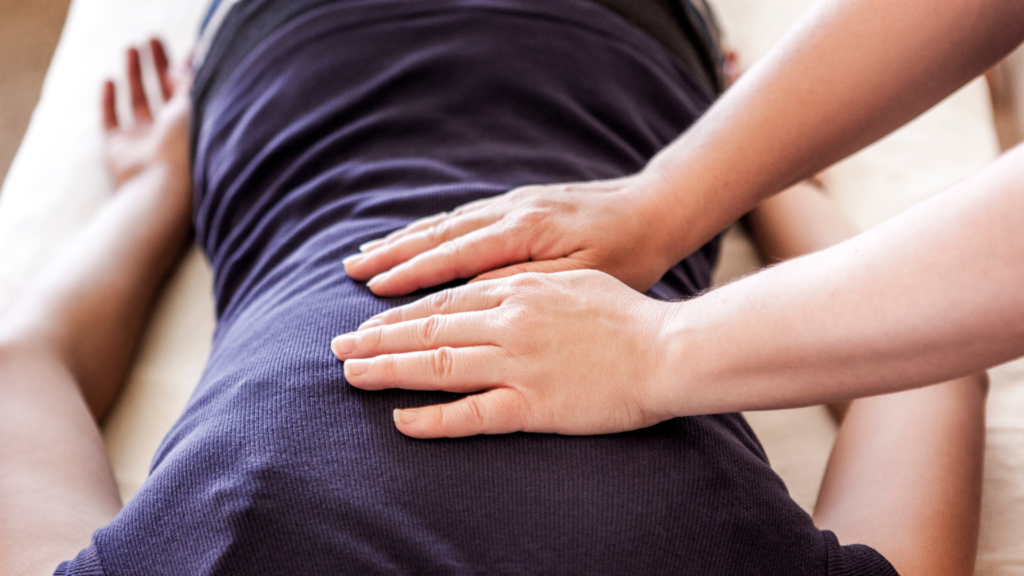
Medical Reiki
Medical Reiki is simply Reiki practice used in hospital to alleviates pain, anxiety, and supports daily balance and self-healing.
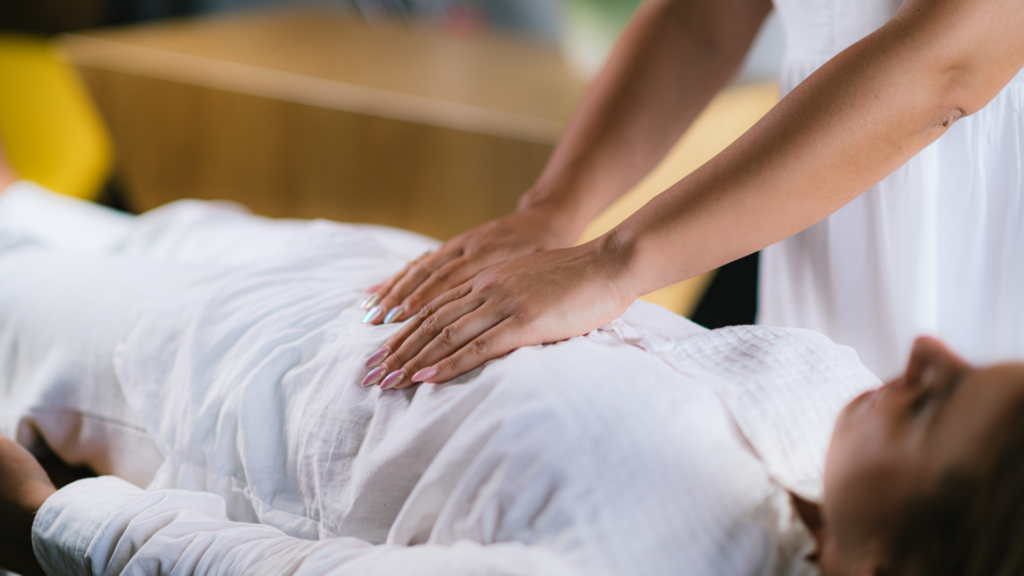
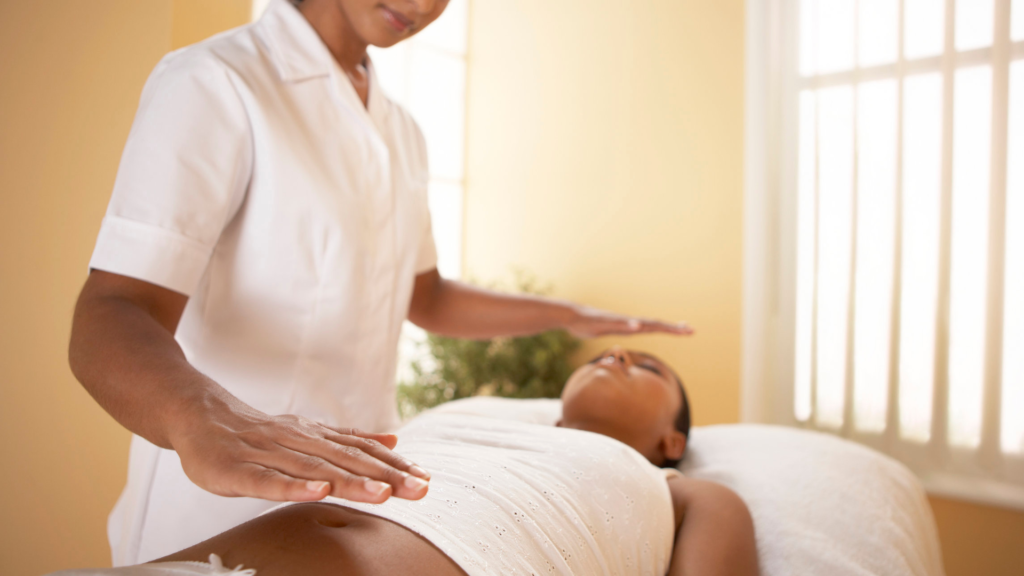

Medical Reiki
Medical Reiki is simply Reiki practice used in hospitals or other conventional healthcare settings to help patients, families and staff address medical problems, such as pain, anxiety, insomnia, indigestion, and optimize self healing.
The goal of daily self Reiki is to support overall balance every day. Daily self practice helps the body address existing imbalances. By helping the body maintain balanced functioning, daily self practice also helps prevent future problems.
Any self Reiki practice brings relief from discomfort of various symptoms, but consistent, daily self Reiki optimizes your body’s self-healing, so you feel better & function better and make better choices. There’s no way to measure how much pain, suffering and even illness might be prevented over time. Daily self Reiki can help you age more gracefully and remain active, which also supports your health and well-being. While consistent daily self Reiki at home helps you stay happy and healthy longer, Reiki practice is offered to patients in medical settings for its more immediate benefits, to help patients feel better, feel spiritually supported (regardless their religious beliefs), and relieve pain and anxiety
Uses of Medical Reiki
Medical Reiki sessions offered in a hospital usually involve fewer hand placements and less practice time. For example, hospital patients often cannot turn over so we are unable to place hands on their backs. While there are no rules, and it’s important to respond to the needs and limitations in each individual session, hospital Reiki treatments are often short, maybe 15-20 minutes. However, when you’re in pain, even a few minutes of Reiki treatment can bring significant relief.
As Hawayo Takata famously said, any Reiki practice is better than none. Patients in hospitals generally show marked improvement from even an abbreviated Reiki treatment. After Reiki treatment, hospital patients commonly have less distress (less anxiety and pain) and improved heart rate, blood pressure, respiration, and heart rate variability, as evidenced in various small studies. Anecdotally, hospital patients tend to sleep better and have improved digestive function.
Medical Reiki brings Reiki to people who are suffering and who would not otherwise have access to Reiki practice. There is no need to compromise Reiki practice in order to bring Reiki into hospitals and academic medical centers.
When practicing in hospitals, we need to respect hospital rules, such as washing hands before and after each treatment. When offering treatment to a patient in quarantine, I wear a gown, mask and gloves the same as every other person who enters the room.
If you want to practice Medical Reiki, you need to get along with the healthcare team. That means not feeling defensive and acting positional when questioned. It’s part of your job to communicate with people who don’t understand what you do as a Medical Reiki practitioner. The members of the healthcare team rely on your Medical Reiki expertise. When you practice in a medical setting, you are a Reiki ambassador.